Have you ever wondered how successful businesses measure their team’s performance? Growing companies often face the challenge of tracking progress and identifying areas for improvement. That’s where team performance metrics come in. These vital tools help businesses gauge their effectiveness and make informed decisions.
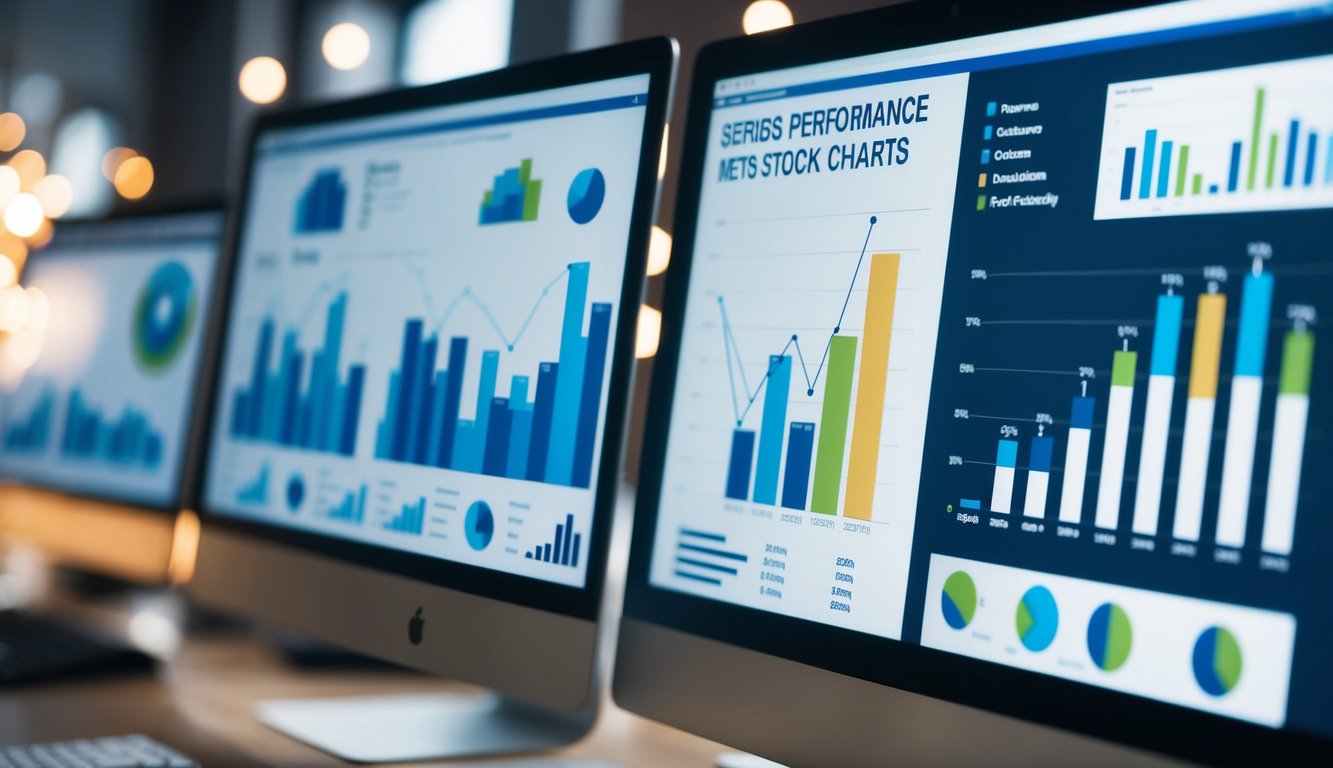
Key Performance Indicators (KPIs) are essential for measuring the success and growth of an organization. They provide valuable insights into various aspects of operations, enabling companies to optimize their strategies and drive continuous improvement. By focusing on the right metrics, businesses can align their teams’ efforts with overall company goals.
Effective team performance metrics go beyond simple productivity measures. They encompass a wide range of factors, including customer satisfaction, revenue growth, and employee engagement. By tracking these KPIs, growing businesses can identify strengths and weaknesses, allocate resources more efficiently, and foster a culture of accountability and success.
Key Takeaways
- KPIs provide crucial insights for measuring team and business performance
- Effective metrics cover various aspects, from productivity to customer satisfaction
- Regular tracking of KPIs helps businesses optimize strategies and drive growth
Understanding Key Performance Indicators

Key Performance Indicators (KPIs) are vital tools for measuring team and business success. They help track progress, align efforts with goals, and drive growth.
Defining Team KPIs and Metrics
KPIs are quantifiable metrics used to evaluate performance in achieving specific objectives. For teams, KPIs focus on group efforts and outcomes.
Team KPIs might include:
- Project completion rates
- Customer satisfaction scores
- Revenue per employee
Metrics are broader measures that support KPIs. They provide data to calculate and contextualize KPIs.
Examples of team metrics:
- Hours worked
- Tasks completed
- Client interactions
Effective KPIs are:
- Specific
- Measurable
- Achievable
- Relevant
- Time-bound
Importance of KPIs in Business Growth
KPIs play a crucial role in driving business growth. They provide clear targets and help teams focus on what matters most.
Benefits of using KPIs:
- Performance tracking
- Goal alignment
- Data-driven decisions
- Improved accountability
KPIs help businesses identify areas for improvement and track progress over time. They enable leaders to make informed choices about resource allocation and strategy.
Regular review of KPIs ensures they remain relevant as business goals evolve. This keeps teams focused on current priorities and helps the company adapt to market changes.
Measuring Team Effectiveness and Productivity

Tracking team performance is crucial for business growth. Key metrics help leaders assess productivity, align goals, and drive profitability.
Tools for Tracking Team Performance
Several tools can help monitor team effectiveness. Project management software like Trello or Asana track task completion and deadlines. Time tracking apps measure hours worked on specific projects. Customer relationship management (CRM) systems analyze sales team performance.
Communication platforms offer insights into collaboration levels. Analytics dashboards visualize key metrics at a glance. Employee feedback tools gather qualitative data on team dynamics.
Choosing the right mix of tools depends on team size, industry, and objectives. Regular check-ins and reviews complement digital tracking for a well-rounded assessment.
Productivity Metrics and Profitability
Measuring team productivity goes beyond simple output. Quality matters as much as quantity. Customer satisfaction scores reflect the value of work produced.
Revenue per employee indicates overall efficiency. Project completion rates show how well teams meet deadlines. Error rates highlight areas for improvement in processes.
Profitability metrics tie productivity to financial outcomes. Gross profit margin per project or client reveals which work is most valuable. Return on investment for team initiatives guides future resource allocation.
Balanced scorecards can weigh multiple factors for a comprehensive view of productivity and profitability.
Goal Alignment and Team Objectives
Clear, measurable objectives keep teams focused and motivated. SMART goals (Specific, Measurable, Achievable, Relevant, Time-bound) provide a framework for setting targets.
Key Performance Indicators (KPIs) should link individual and team goals to broader company objectives. Regular progress updates maintain accountability and allow for course corrections.
Objectives and Key Results (OKRs) balance ambitious goals with concrete, measurable outcomes. This approach encourages teams to stretch beyond comfort zones while maintaining realistic expectations.
Aligning personal development goals with team objectives fosters engagement and growth. Celebrating both individual and collective achievements reinforces a culture of high performance.
Optimizing for Continuous Improvement

Continuous improvement drives team success through data-driven decisions, shared responsibility, and positive reinforcement. Teams that embrace these practices can adapt quickly and achieve better results over time.
Utilizing Real-Time Data
Real-time data gives teams up-to-the-minute insights into their performance. This allows for quick adjustments and better decision-making. Key Performance Indicators (KPIs) help track progress and identify areas for improvement.
Teams can use dashboards to visualize data trends. These tools make it easy to spot issues early. For example, a sales team might monitor daily conversion rates.
Regular data reviews help teams stay on track. Weekly or monthly meetings to discuss KPIs can spark new ideas. This keeps everyone focused on growth and problem-solving.
Fostering a Culture of Accountability
Accountability means each team member takes ownership of their work. This creates a sense of responsibility and drives better performance. Clear roles and expectations are key to building accountability.
Teams can use goal-setting frameworks like OKRs (Objectives and Key Results). These help align individual tasks with team goals. Regular check-ins keep everyone on the same page.
Transparent communication is crucial. Teams should openly discuss challenges and solutions. This builds trust and encourages continuous improvement.
Recognition and Rewards Systems
Recognizing good work motivates teams to keep improving. A well-designed rewards system can boost morale and productivity. It’s important to celebrate both individual and team achievements.
Teams can implement peer recognition programs. This allows members to appreciate each other’s efforts. Public praise in team meetings or company-wide emails can be very effective.
Rewards don’t always have to be monetary. Extra time off, learning opportunities, or special projects can be motivating. The key is to match rewards with team values and goals.
Regular feedback helps team members grow. Constructive criticism, paired with recognition, creates a balanced approach to improvement.
Frequently Asked Questions
Measuring team performance involves tracking key metrics across productivity, leadership, growth, collaboration, and overall success. These indicators provide valuable insights for businesses looking to improve and scale.
What metrics effectively measure a team’s productivity and efficiency?
Inventory turnover is an important metric for product-based businesses. It shows how often inventory is sold and replaced.
Task completion rate and average time to complete tasks are useful productivity indicators. These metrics help identify bottlenecks and areas for improvement.
Which KPIs should be used to assess leadership effectiveness in a growing business?
Employee satisfaction scores can reflect leadership quality. Regular surveys help track this metric over time.
Team retention rates are another key indicator. High retention often suggests effective leadership and a positive work environment.
How can you quantify a business’s growth through key performance indicators?
Revenue growth rate is a fundamental metric for measuring business expansion. It tracks the increase in total sales over time.
Customer acquisition cost and customer lifetime value are crucial KPIs. They help assess the efficiency and profitability of growth strategies.
What indicators can be used to gauge successful teamwork and collaboration?
Project completion rates within deadlines indicate effective teamwork. This metric shows how well teams coordinate to meet goals.
The number of cross-departmental projects can measure collaboration. More joint initiatives often suggest stronger teamwork across the organization.
Can you identify critical performance metrics for team management?
Employee engagement levels are essential for team management. Regular pulse surveys can help track this metric.
Turnover rate is another critical indicator. High turnover may signal issues with team management or company culture.
Which indicators are indicative of a high-performing team’s success?
Customer satisfaction scores often reflect team performance. Happy customers usually indicate effective teamwork and service delivery.
Innovation metrics, such as new ideas implemented, can show a team’s ability to drive progress. This metric highlights creativity and problem-solving skills.