Have you ever wondered how to turn your passion for sustainability into a thriving business? Many employees dream of becoming impact-driven entrepreneurs, but struggle to translate their ideas into a viable model. The Sustainable Business Model Canvas offers a solution.

This tool helps map out key elements of a sustainable venture, from value propositions to revenue streams. By using this canvas, aspiring founders can create businesses that generate profits while addressing social and environmental issues.
It guides entrepreneurs in thinking through important aspects like customer segments, key activities, and cost structure. The canvas encourages a holistic view of business operations. It prompts users to consider environmental and social impacts alongside financial outcomes. This approach leads to more robust, purpose-driven business models that can succeed in today’s conscious consumer market.
Key Takeaways
- The Sustainable Business Model Canvas helps turn sustainability ideas into viable businesses
- It integrates environmental and social considerations with traditional business elements
- Using the canvas leads to more resilient, impact-driven ventures
Laying the Groundwork
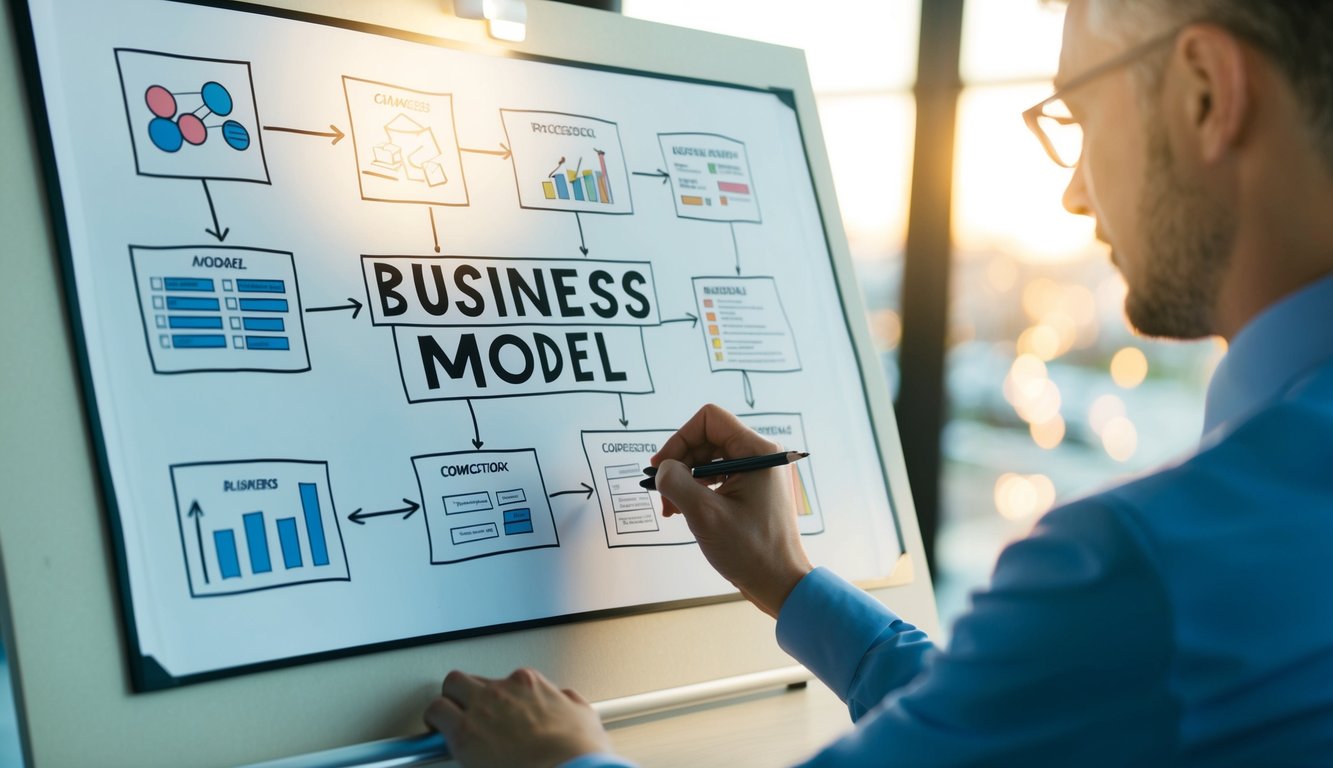
Creating a sustainable business model starts with a strong foundation. This involves understanding key business concepts, integrating sustainability, and setting clear impact goals.
Understanding Business Models
A business model is a blueprint for how a company creates, delivers, and captures value. It includes key elements like value propositions, customer segments, and revenue streams.
The Business Model Canvas is a popular tool for visualizing these components. It helps entrepreneurs map out their ideas and see how different parts of the business connect.
Key elements of a business model include:
- Value proposition
- Customer segments
- Revenue streams
- Cost structure
- Key activities and resources
Understanding these basics helps founders build a solid framework for their sustainable business.
Incorporating Sustainability
Sustainability in business means meeting present needs without harming future generations. It covers environmental, social, and economic aspects.
To make a business model sustainable, founders need to:
- Use eco-friendly materials and processes
- Minimize waste and energy use
- Ensure fair labor practices
- Create positive social impact
IKEA’s commitment to use only renewable and recycled materials by 2030 is a good example of sustainability in action.
Sustainable practices can lead to cost savings, improved brand image, and new market opportunities.
Defining Impact Goals
Impact goals are specific, measurable targets that show how a business benefits society or the environment. They give direction to sustainability efforts and help measure progress.
Steps to define impact goals:
- Identify key issues related to the business
- Set specific, measurable targets
- Align goals with company values and capabilities
- Consider both short-term and long-term impacts
For example, a food company might aim to reduce food waste by 50% in five years.
Clear impact goals help businesses stay focused on their mission and attract like-minded customers and investors.
Building Your Sustainable Business Model Canvas

The Sustainable Business Model Canvas helps entrepreneurs create impact-driven businesses. It focuses on social and environmental value alongside financial sustainability. This tool guides founders in designing comprehensive strategies that address beneficiary needs while generating sustainable revenue.
Key Components of the Business Model Canvas
The Sustainable Business Model Canvas consists of several key building blocks. These include customer segments, value propositions, channels, and customer relationships. It also covers key activities, key resources, and partnerships.
Revenue streams and cost structure are crucial financial elements. For impact-driven businesses, the canvas adds blocks for social and environmental impact. This helps entrepreneurs balance profit with purpose.
Founders should carefully consider each component. They need to ensure all elements work together cohesively. This creates a robust, sustainable business model.
Crafting a Unique Value Proposition
A strong value proposition is essential for any business. For impact-driven entrepreneurs, it must address both customer needs and societal issues. The unique value proposition should clearly state how the business solves problems.
It’s important to:
- Identify the specific problem being solved
- Explain how the solution is different from alternatives
- Highlight the benefits for customers and society
The value proposition should be concise and compelling. It needs to resonate with both customers and investors. Impact-driven founders must show how their business creates positive change while delivering value to customers.
Adapting to the Impact-Driven Market
Impact-driven businesses face unique challenges in the market. They must balance financial sustainability with social and environmental goals. This requires careful planning and adaptation of the business model.
Entrepreneurs should consider:
- How to measure and communicate impact
- Ways to engage socially conscious customers
- Strategies for attracting impact investors
It’s crucial to stay flexible. Market needs and social issues can change quickly. Impact-driven founders must be ready to pivot their strategies while staying true to their mission.
Building partnerships with like-minded organizations can help. These collaborations can amplify impact and open new opportunities for growth.
Advancing the Model with Strategic Partnerships and Stakeholder Engagement
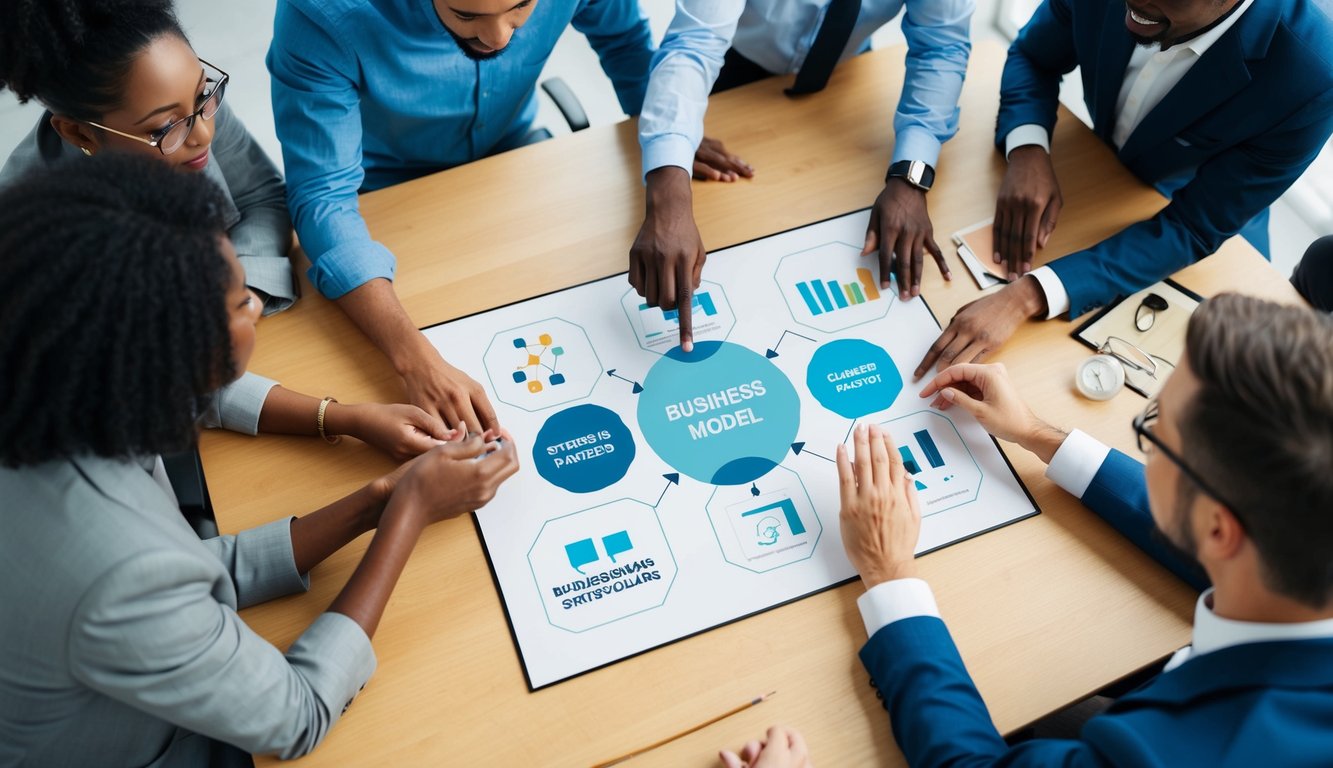
Strategic partnerships and stakeholder engagement are key to building a sustainable business model. These elements help impact-driven founders create value and drive positive change.
Leveraging Networks and Collaborations
Effective partnerships boost a company’s ability to create impact. Environmental entrepreneurs can team up with NGOs and nonprofits to tackle complex issues. These alliances bring diverse skills and resources to the table.
Incubators and accelerators play a vital role too. They provide support, mentorship, and funding to help sustainable businesses grow. By joining these programs, founders gain access to valuable networks and expertise.
Collaboration with other businesses can lead to innovative solutions. For example, a recycling company might partner with a manufacturer to create products from recycled materials. This type of teamwork can address environmental challenges while creating new market opportunities.
Enhancing Transparency and Stakeholder Trust
Trust is crucial for sustainable businesses. Open communication with stakeholders builds credibility and support for the company’s mission.
Impact-oriented metrics are essential tools for transparency. They show the real effects of a company’s work. Tracking and sharing these metrics helps stakeholders understand the business’s progress and impact.
Regular stakeholder engagement sessions can improve trust. These meetings allow founders to share updates, gather feedback, and address concerns. This two-way dialogue helps refine the business model and ensure it meets stakeholder needs.
Clear reporting on Corporate Social Responsibility (CSR) initiatives is important. It shows how the company balances profit with social and environmental goals. This transparency can attract investors, customers, and partners who share the company’s values.
Do you have enough money to start?
Add your savings, what you can borrow and your costs, and our free Business Startup Readiness Calculator plays out the first years month by month to show whether the money lasts.
Runs in your browser; nothing you type is stored.
Frequently Asked Questions
What are sustainable business models?
Sustainable business models focus on creating value while minimizing negative impacts. They integrate economic, social, and environmental considerations throughout their operations. Key strategies include adapting existing frameworks and aligning goals with sustainability principles.
What are the key components of a sustainable business model?
A sustainable business model includes economic viability, social responsibility, and environmental stewardship. It focuses on long-term value creation for all stakeholders.
Key components are circular resource use, ethical supply chains, and positive community impact. Employee well-being and fair labor practices are also essential.
How can a traditional business model canvas be adapted for sustainability?
The Sustainable Business Model Canvas adds environmental and social impact sections. It considers resource use, waste reduction, and community benefits.
This adapted canvas evaluates partnerships based on shared sustainability values. It also includes metrics for measuring positive and negative impacts.
What examples exist of companies successfully implementing a sustainable business model canvas?
Patagonia uses a sustainable business model focused on durable products and environmental activism. They repair clothing to extend product life and donate 1% of sales to environmental causes.
Interface, a carpet manufacturer, implemented a circular economy model. They use recycled materials and have a carpet tile take-back program.
In what ways does the triple bottom line integrate into the business model canvas?
The triple bottom line adds people and planet considerations to profit. It expands the value proposition to include social and environmental benefits.
In the canvas, it affects customer segments, key activities, and cost structure. For example, sustainable sourcing may increase costs but attract eco-conscious customers.
How can an organization transition from a traditional to a sustainable business model?
Organizations can start by assessing their current impacts. They should identify areas for improvement in resource use and social responsibility.
Engaging stakeholders is crucial. Companies can seek input from employees, customers, and community members. This helps create a model that addresses diverse needs.
What strategies can a new founder employ to ensure their business model aligns with sustainability goals?
New founders can use tools like the Impact Business Model Canvas. This framework helps design businesses with both financial and social value.
They should also research sustainable practices in their industry. Networking with other impact-driven entrepreneurs can provide valuable insights and support.