Virtual team building has become crucial for many companies. As more teams work remotely, finding ways to keep employees connected and engaged is a top priority.
But how can businesses tell if their virtual team building efforts are paying off?
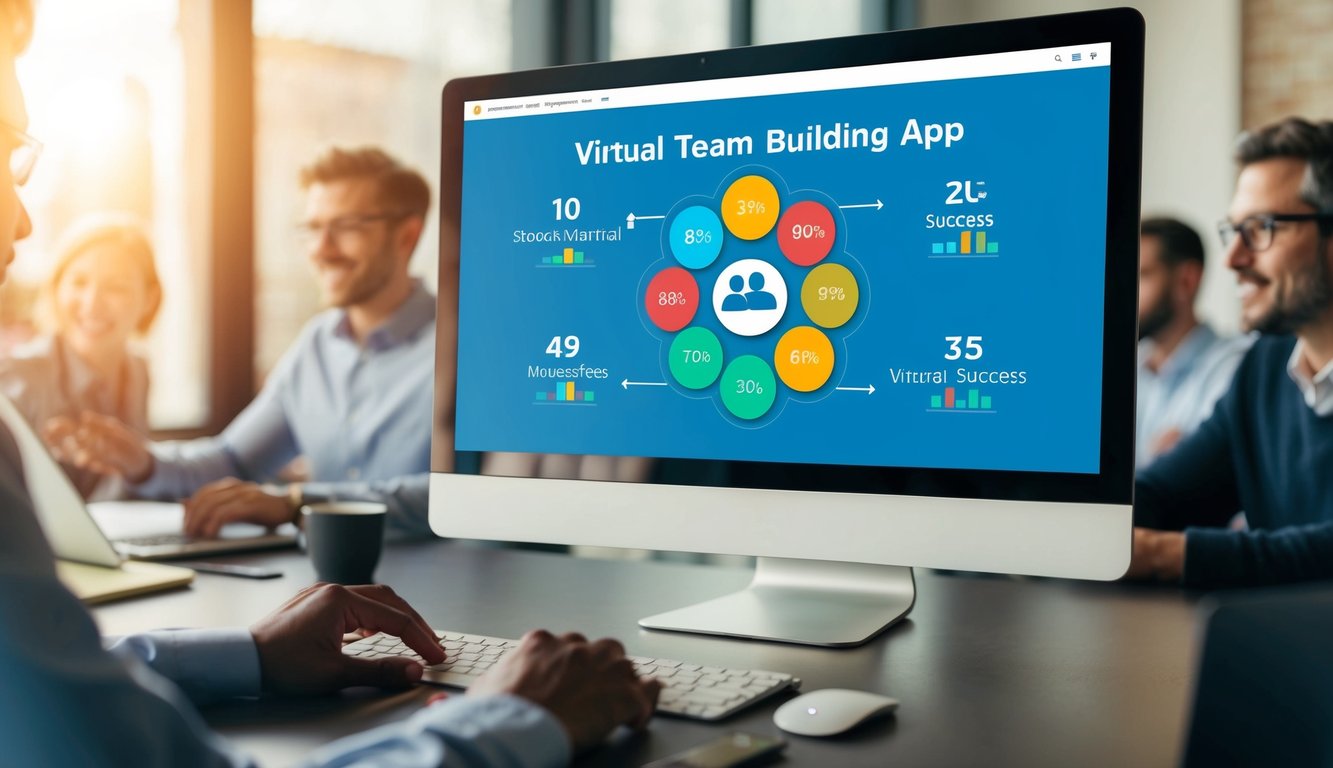
Measuring the return on investment (ROI) for virtual team building can seem tricky. Tracking key metrics like employee engagement, productivity, and communication effectiveness can provide valuable insights into the success of these initiatives. Companies that measure these factors often find that well-designed virtual team building activities lead to happier, more collaborative teams.
Effective virtual team building goes beyond just fun online games. It requires thoughtful planning and clear goals.
By setting specific objectives and consistently measuring outcomes, organizations can fine-tune their approach and maximize the benefits of bringing remote teams together.
Key Takeaways
- Virtual team building ROI can be measured through engagement and productivity metrics
- Setting clear goals helps companies assess the impact of team building activities
- Regular measurement allows organizations to improve their virtual team building strategies
Foundations of Virtual Team Building

Virtual team building creates strong connections between remote workers. It boosts morale and productivity in online workplaces.
Key Concepts in Virtual Team Building
Virtual team building focuses on creating bonds between remote workers. It uses online tools and activities to foster teamwork.
Key ideas include:
• Regular communication
• Shared goals
• Trust building
• Cultural awareness
These elements help virtual teams work well together. They create a sense of belonging despite physical distance.
Virtual team building activities can be:
• Online games
• Virtual coffee chats
• Digital escape rooms
• Remote team challenges
These boost team engagement and improve team dynamics.
Importance of Measuring Virtual Team Success
Measuring success in virtual teams is vital. It shows if team building efforts work and guides future plans.
Key benefits of tracking virtual team success:
• Identifies areas for improvement
• Proves value of team building efforts
• Helps justify spending on virtual activities
• Boosts employee satisfaction
Companies can use surveys and feedback to gauge team success. They can also track productivity and project outcomes.
Metrics to consider:
• Employee satisfaction scores
• Collaboration levels
• Task completion rates
• Innovation output
These measures help leaders understand virtual team performance and make smart decisions.
ROI of Virtual Team Building Initiatives

Virtual team building initiatives can have a significant impact on an organization’s success. Measuring their return on investment helps businesses make informed decisions about future activities.
Understanding ROI in the Virtual Context
Return on investment (ROI) for virtual team building looks at the benefits gained compared to the resources invested. These benefits can include improved communication, higher productivity, and stronger team bonds.
Virtual team success is often measured through employee feedback and engagement levels. Companies use surveys before and after events to gauge changes in team dynamics.
Quantitative metrics like increased sales or reduced turnover rates can also indicate positive ROI. Businesses should align virtual team building goals with broader company objectives to ensure meaningful results.
Calculating ROI for Virtual Team Building
To calculate ROI, organizations need to track both costs and benefits of virtual team activities.
Costs may include software subscriptions, facilitator fees, and employee time spent on events.
Benefits can be harder to quantify but may include:
- Improved collaboration
- Higher job satisfaction
- Increased productivity
- Better employee retention
Measuring ROI often involves comparing pre- and post-event data. This can include performance metrics, employee satisfaction scores, and team efficiency indicators.
A simple ROI formula is: (Gains – Costs) / Costs x 100.
For example, if a $5,000 virtual team building event leads to $20,000 in productivity gains, the ROI would be 300%.
Metrics for Success

Measuring the impact of virtual team building requires a mix of hard data and soft indicators. Key metrics focus on productivity, team performance, and employee satisfaction.
Quantitative Metrics and KPIs
Key performance indicators (KPIs) are vital for tracking virtual team success.
Productivity metrics include work output, task completion rates, and project timelines.
Teams can measure performance through:
- Meeting deadlines
- Achieving sales targets
- Reducing customer complaints
Employee retention and turnover rates offer insights into team satisfaction. Lower turnover often indicates successful team building efforts.
Tracking attendance and participation in virtual events helps gauge engagement. Higher participation typically suggests a more cohesive team.
Qualitative Measures of Team Cohesion
Employee feedback provides valuable insights into team dynamics.
Regular surveys can assess:
- Communication effectiveness
- Trust levels among team members
- Sense of belonging
Observing team interactions during virtual meetings offers clues about cohesion. Managers can note:
- Frequency of idea sharing
- Willingness to help colleagues
- Positive language use
Informal check-ins allow team members to express feelings about their work environment. This qualitative data complements quantitative metrics for a fuller picture of team health.
Strategies to Enhance Virtual Team Performance
Boosting virtual team performance requires a mix of effective communication, engaging activities, and ongoing improvement. These key elements help remote teams stay connected and productive.
Effective Communication and Collaboration
Clear communication is vital for virtual teams.
Use video calls for face-to-face interactions. Schedule regular team meetings to discuss progress and challenges.
Set up chat channels for quick questions and casual conversations.
Choose the right project management tools to keep everyone on track. These tools help assign tasks, set deadlines, and monitor progress. Make sure all team members know how to use them.
Encourage open dialogue.
Create a space where team members feel comfortable sharing ideas and concerns. This builds trust and improves problem-solving.
Innovative Virtual Team-Building Activities
Fun activities help remote teams bond.
Try virtual coffee breaks or online game sessions. These casual events let coworkers chat and laugh together.
Host virtual team challenges.
Set up friendly competitions like step-counting contests or photo scavenger hunts. These boost morale and create shared experiences.
Celebrate achievements together, even from afar. Recognize birthdays, work milestones, and personal accomplishments.
Send e-cards or small gifts to show appreciation.
Continuous Improvement and Feedback
Regular check-ins are key.
Set up one-on-one meetings between managers and team members. Use these to discuss progress, offer support, and address concerns.
Create surveys to gather team feedback.
Ask about workload, communication, and job satisfaction. Use the results to make positive changes.
Offer training opportunities.
Help team members learn new skills or improve existing ones. This shows investment in their growth and boosts productivity.
Track key performance indicators.
Monitor things like task completion rates and participation in team activities. Use this data to identify areas for improvement and recognize success.
Frequently Asked Questions
Measuring virtual team building success involves quantifiable metrics and qualitative feedback. Companies track key performance indicators to assess impact on team dynamics, collaboration, and overall performance.
How do you quantify the success of virtual team building initiatives?
Companies can use pre and post-event surveys to gather employee feedback.
These surveys measure changes in team morale, communication, and engagement levels.
Tracking productivity metrics before and after virtual team building activities can show tangible improvements. This may include measuring project completion rates or time saved on collaborative tasks.
What key performance indicators should businesses track to evaluate the effectiveness of virtual team building events?
Employee satisfaction scores are a crucial KPI for virtual team building.
Regular pulse surveys can capture changes in job satisfaction and team cohesion over time.
Attendance and participation rates for virtual team events are important indicators of engagement. Higher rates often correlate with improved team dynamics.
Can you identify metrics for assessing the return on investment in virtual team building?
Reduced employee turnover rates can indicate successful team building efforts.
Companies can calculate cost savings from improved retention.
Increased innovation and idea generation can be measured through the number of new initiatives or improvements suggested by team members after virtual activities.
What methods are effective for analyzing the impact of virtual team building on team performance?
Performance reviews can be used to assess individual and team growth.
Managers can look for improvements in collaboration skills and teamwork.
Project outcome analysis can reveal enhancements in team efficiency and quality of work after virtual team building exercises.
What qualitative and quantitative data should be used to gauge virtual team success?
Qualitative data can be gathered through team member interviews and open-ended survey questions. This provides insight into perceived improvements in team dynamics.
Quantitative data may include metrics like reduced email volume or increased use of collaboration tools, indicating better team communication.
How can organizations measure improvement in team dynamics and collaboration following virtual team building activities?
Social network analysis can map changes in team interactions and communication patterns. This reveals strengthened connections between team members.
Also, conflict resolution metrics, such as reduced time spent addressing team disagreements, can demonstrate improved team dynamics and collaboration.