
Working across different generations presents unique challenges in today’s digital workplace. Different age groups approach technology and remote work in distinct ways. For example, Baby Boomers value structure, while Gen Z has a digital-native mindset.

Companies that successfully bridge generational gaps in remote work settings see up to 35% higher team productivity and improved employee retention. Remote teams with mixed age groups bring valuable perspectives – combining seasoned experience with fresh innovation.
Digital tools can either unite or divide teams based on how they’re implemented. Creating an inclusive remote environment means addressing varying comfort levels with technology. It also means maintaining strong communication across all age groups.
Key Takeaways
- Remote work success requires adapting communication styles to each generation’s preferences
- Technology training and flexible work arrangements help bridge the digital generation gap
- Strong mentorship programs create valuable knowledge exchange between experienced and newer workers
Understanding Generational Characteristics in the Workforce

Today’s workplace spans five generations, each shaped by unique experiences and technological advances. Different approaches to work, communication preferences, and technological comfort levels create both challenges and opportunities.
Defining Generational Cohorts: Baby Boomers to Gen Z
Baby Boomers (born 1946-1964) value dedication and face-to-face interactions. They often prefer traditional work structures and bring extensive industry knowledge.
Generation X (born 1965-1980) adapts well to change and values work-life balance. They bridge the gap between older and younger workers with their mix of traditional and digital skills.
Millennials (born 1981-1996) prioritize flexibility and purpose in their work. They embrace digital communication platforms and seek regular feedback.
Generation Z (born 1997-2012) are true digital natives who value innovation and independence. They excel at multitasking and prefer instant, text-based communication.
Work Styles and Values Across Generations
Baby Boomers & Gen X:
- Value stability and structure
- Prefer clear hierarchies
- Focus on long-term career growth
Millennials & Gen Z:
- Prioritize workplace flexibility
- Seek rapid advancement
- Value purpose-driven work
Diverse teams bring unique perspectives and complementary skills to organizations. Each generation contributes distinct strengths to create a more dynamic workplace.
Communication and Technology: Bridging the Gap
Digital natives tend to prefer quick, informal communication through messaging apps and social platforms. Meanwhile, older generations typically value more structured communication methods like email and scheduled meetings.
Multigenerational workforces benefit from mixed communication approaches. For instance, video calls combine the personal touch older generations appreciate with the efficiency younger workers expect.
Teams can leverage each generation’s technological strengths through mentoring programs. In these programs, younger workers guide others on new tools, while experienced employees share industry expertise.
Strategies for Remote Work Across Generations
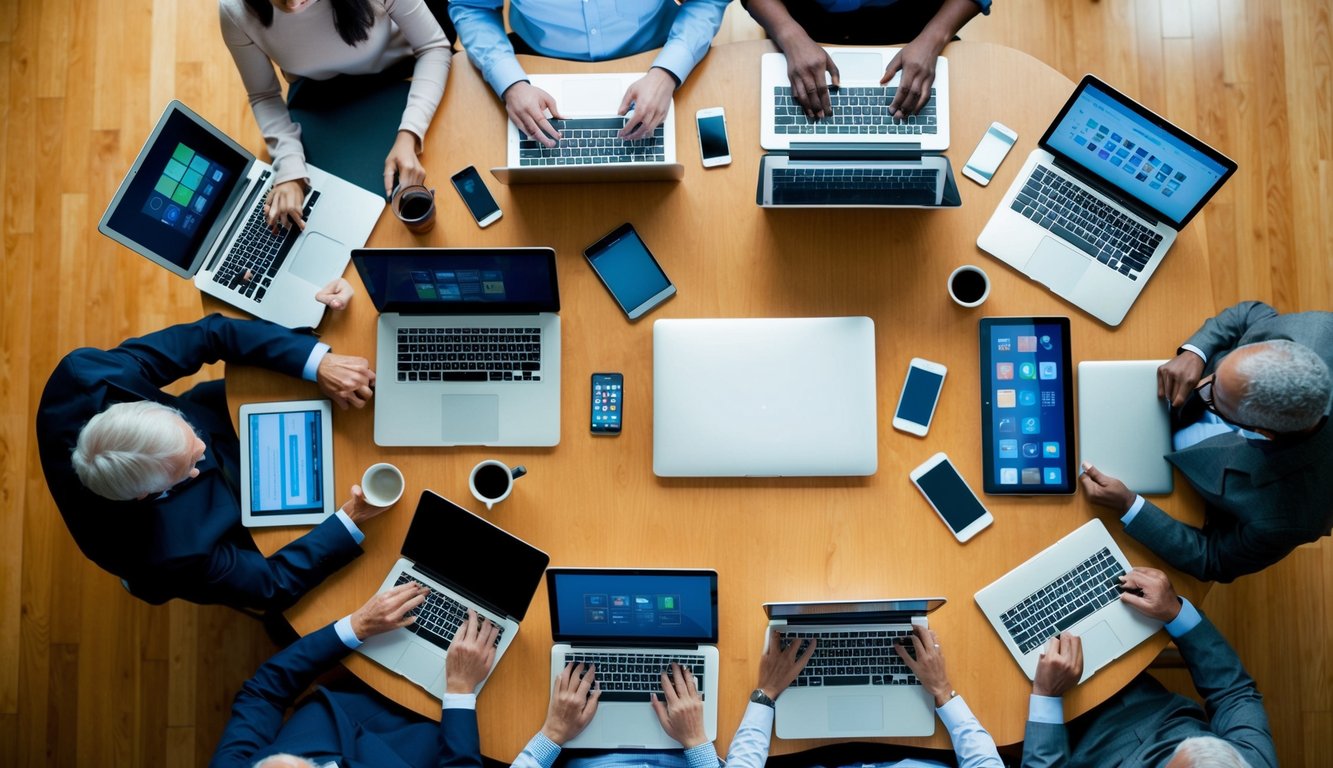
Remote teams can leverage generational differences by implementing targeted approaches that address unique needs while maintaining team cohesion. Different generations bring valuable perspectives that strengthen innovation and problem-solving capabilities.
Adapting Leadership and Management to Multigenerational Needs
Leaders must adjust their communication styles to match each generation’s preferences. For example, Baby Boomers often value detailed instructions and regular check-ins, while Gen Z responds better to quick digital messages and immediate feedback.
Clear expectations and performance metrics help align teams across age groups. To balance this, weekly video meetings combined with instant messaging can be used.
Team leaders should also create opportunities for cross-generational mentoring. In these programs, younger workers guide seniors on new tech tools, while experienced staff share industry knowledge.
Flexible Work Arrangements and Technological Adaptability
Organizations must provide technology training and support to ensure all team members can work effectively. This includes step-by-step guides and dedicated tech support channels.
Flexible scheduling allows each generation to work during their most productive hours. Some prefer traditional 9-5 schedules, while others thrive with split shifts or alternative hours.
Companies should also offer multiple communication tools. For example, video calls suit complex discussions, while chat platforms work better for quick updates.
Maximizing Productivity and Retention Through Inclusivity
Remote work success requires recognizing diverse work styles. Teams should celebrate different approaches to tasks rather than forcing one method.
Create virtual spaces for social connection. Regular team building activities help bridge generational gaps and build trust.
Set up mixed-age project teams to encourage knowledge sharing. This practice improves retention by helping all generations feel valued and engaged.
Key success factors:
- Regular skill-sharing sessions
- Flexible tech adoption timelines
- Mixed communication methods
- Recognition of different work preferences
Fostering Collaboration and Mentorship in Remote Teams

Remote teams thrive when they combine structured mentorship programs with digital tools that enable seamless communication. Strong relationships across generations create opportunities for knowledge sharing and innovation.
Leveraging Technology for Enhanced Communication and Engagement
Digital platforms make it easy for remote teams to stay connected. For example, video conferencing tools enable face-to-face interactions, while chat apps support quick questions and casual conversations.
Team leaders should select tools that match their team’s needs and technical comfort levels. Some popular options include:
- Real-time collaboration: Microsoft Teams, Slack, Google Workspace
- Project management: Trello, Asana, Monday.com
- Virtual whiteboards: Miro, MURAL
Regular virtual team-building activities help create bonds between team members. These can include online games, virtual coffee breaks, or team challenges.
Mentorship Programs and Cross-Generational Learning
Successful remote teams pair experienced employees with newer talent to share skills and perspectives. This creates a two-way learning environment where both parties benefit.
Key elements of effective remote mentorship include:
- Weekly one-on-one video meetings
- Clear goals and expectations
- Regular progress tracking
- Structured feedback sessions
Mentors should focus on both technical skills and workplace communication strategies. This helps newer employees develop confidence and advance their careers.
Cultivating Creativity and Problem-Solving Within Teams
Remote teams need dedicated time and space for creative thinking. Virtual brainstorming sessions using digital tools can capture ideas from all team members.
Teams should establish clear processes for:
- Sharing new ideas
- Evaluating solutions
- Testing approaches
- Implementing feedback
Technology plays a key role in fostering innovation across different age groups. Digital collaboration tools allow teams to build on each other’s ideas regardless of location or time zone.
Small group projects help build team cohesion while solving real business challenges. Teams should rotate group membership to expose everyone to different perspectives and working styles.
Frequently Asked Questions
Remote work brings unique challenges across different age groups, from digital tool adoption to communication preferences. Companies face distinct opportunities to bridge gaps between Baby Boomers, Generation X, Millennials, and Generation Z workers.
How does technology contribute to the generational gap in the workplace?
Digital literacy rates vary significantly between urban and rural areas, creating skill gaps among workers.
Each generation approaches technology differently based on when they first encountered digital tools in their lives. For instance, young workers often navigate new software naturally, while older employees may need structured learning time.
What strategies can foster intergenerational communication in a digital work environment?
Mentorship programs help bridge experience gaps by pairing tech-savvy younger workers with seasoned professionals.
Communication preferences span generations, with some preferring video calls while others choose text-based channels.
Regular team meetings mixing different age groups help normalize varied communication styles.
What are the primary barriers to technology adoption among older generations at work?
Unfamiliarity with newer platforms creates hesitation among experienced workers to embrace digital tools.
Limited exposure to modern workplace software can slow adoption rates.
Fear of making mistakes in front of younger colleagues may prevent some from trying new technologies.
In what ways can companies support Generation X as ‘digital immigrants’ in a remote work setting?
Personalized training programs address specific skill gaps without assuming prior knowledge.
Technical support teams provide quick solutions to common problems.
Step-by-step guides help workers master new tools at their own pace.
How can remote work policies be tailored to accommodate different generational needs and preferences?
Flexible schedules allow workers to choose peak productivity hours.
Multiple communication channels give employees options for collaboration.
Clear documentation helps all generations follow standard procedures.
What is the most significant challenge when implementing remote work strategies across diverse age groups?
Creating inclusive training programs that serve varying technical skill levels proves difficult.
Different generations show varying comfort levels with virtual collaboration tools.
Maintaining team cohesion across age groups requires constant attention to communication methods.