

Did you know that 15-20% of people are neurodivergent? Creating workplaces that welcome different ways of thinking isn’t just good practice – it’s essential for success in today’s diverse business world.
Building neurodiverse teams brings fresh perspectives, innovative solutions, and unique talents to organizations.

Organizations that embrace neurodiversity report 30% higher productivity levels and increased innovation. Creating neuroinclusive workplaces means adapting communication styles, providing flexible work arrangements, and fostering a culture where all team members can thrive.
Successful team dynamics emerge when organizations move beyond basic accommodation to true inclusion, celebrating the unique strengths each team member brings to the table.
Key Takeaways
- Inclusive workplace practices boost team performance and innovation
- Clear communication and flexible work arrangements support all team members
- Creating a culture of acceptance leads to higher employee retention and satisfaction
Understanding Neurodiversity in the Workplace

Neurodiversity represents the natural variations in how human brains work and process information. These differences create unique strengths and challenges that shape how people interact, learn, and perform in workplace settings.
Defining Neurodiversity and Its Scope
Neurodiversity refers to the natural range of differences in brain function and behavioral traits. The term emerged from the autism rights movement and has expanded to include many neurological variations.
Building awareness about neurodiversity helps create more inclusive workplaces where all employees can succeed.
Neurodivergent individuals process information and interact with their environment differently than the majority population. This includes people with:
- Autism Spectrum Disorder (ASD)
- Attention Deficit Hyperactivity Disorder (ADHD)
- Dyslexia
- Dyscalculia
- Dyspraxia
The Spectrum of Neurodivergent Conditions
Each neurodivergent condition presents unique characteristics and strengths. People with autism often excel at pattern recognition and attention to detail.
ADHD can bring creativity, problem-solving abilities, and high energy to teams. Those with dyslexia frequently demonstrate strong visual thinking and creative problem-solving skills.
Companies building neurodiverse capabilities find valuable talents and perspectives that enhance workplace innovation.
Some neurodivergent individuals experience sensory challenges, like sensitivity to:
- Bright lights
- Loud noises
- Strong smells
- Crowded spaces
Differences between Neurodivergent and Neurotypical Individuals
Neurotypical people process information and respond to social situations in ways that align with majority expectations. Neurodivergent individuals may:
- Communicate more directly
- Need different types of workplace accommodations
- Process sensory information uniquely
- Think about problems in alternative ways
Creating a positive environment means recognizing these differences as valuable variations rather than deficits.
Many neurodivergent people bring exceptional skills in:
- Detail orientation
- Creative thinking
- Data analysis
- Problem-solving
- Innovation
Building Inclusive Teams for Neurodiverse Workforces
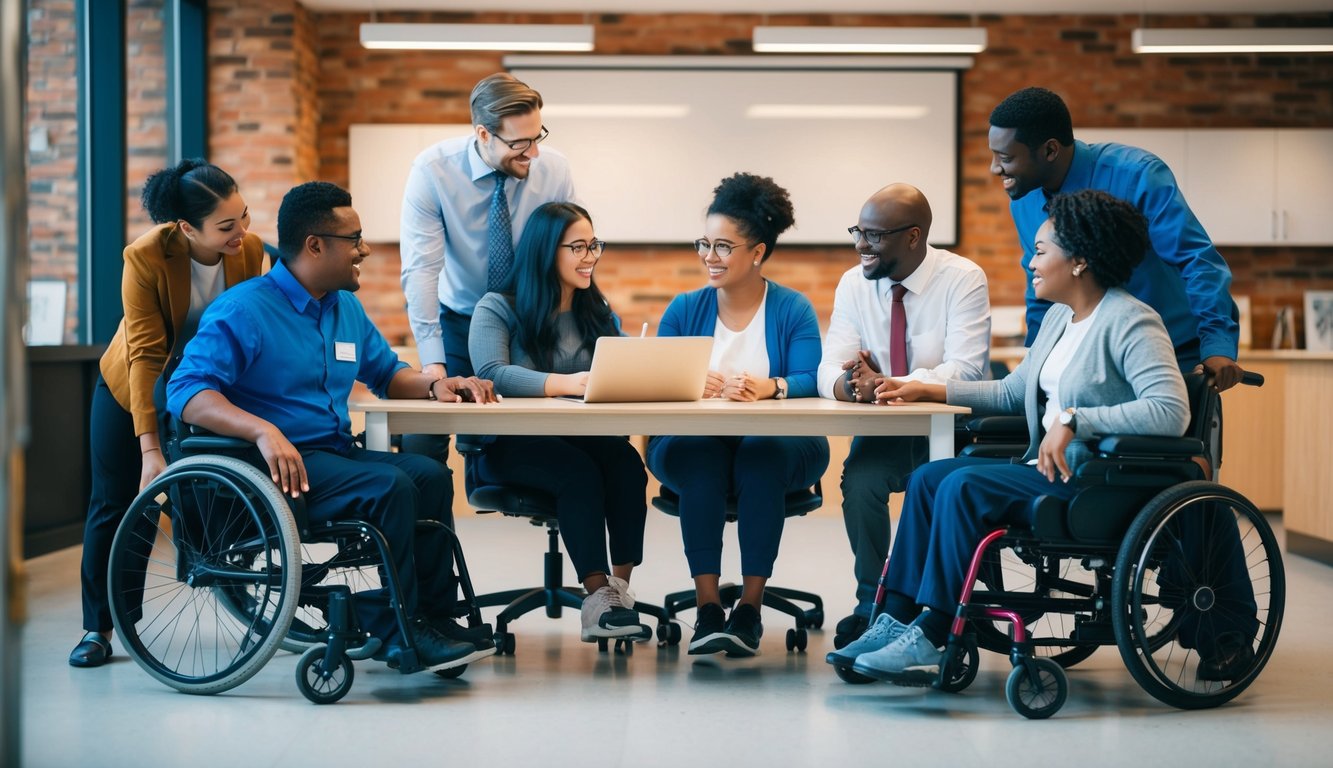
Creating inclusive workplaces brings valuable perspectives and talents to organizations. Effective strategies focus on adapting environments, hiring practices, and leadership approaches to support neurodivergent employees.
Creating an Inclusive Work Environment
Physical workspace adjustments make a big difference for neurodiverse employees. Quiet zones help with focus and sensory processing. Flexible lighting options and noise-canceling headphones reduce sensory overload.
Clear communication guidelines benefit everyone. Teams should use direct language and provide written follow-ups after meetings.
Inclusive team environments need these key elements:
- Flexible work schedules
- Regular breaks
- Clear task instructions
- Multiple communication channels
- Quiet spaces for focused work
- Sensory-friendly lighting
Inclusive Hiring Practices
Job descriptions should focus on essential skills rather than rigid requirements. Remove unnecessary barriers like “excellent verbal communication” when not crucial to the role.
Hiring practices need adjustments to accommodate different communication styles:
- Structured interviews with clear questions
- Skills-based assessments
- Extended time for tasks when needed
- Options for written responses
- Virtual interview choices
Implementing Effective Onboarding Strategies
Personalized onboarding plans help new employees adjust successfully. A dedicated mentor can guide them through workplace norms and expectations.
Written documentation supports learning:
- Step-by-step guides
- Visual process maps
- Clear role expectations
- Regular check-ins
- Feedback channels
Teams should establish consistent routines and provide explicit instructions about workplace customs and social norms.
Leadership and Mentorship Programs for Diversity and Inclusion
Manager training plays a crucial role in supporting neurodiverse teams. Leaders need skills to recognize and support different working styles.
Effective mentorship programs include:
- Regular 1:1 meetings
- Clear communication channels
- Specific feedback methods
- Career development plans
- Skills-building opportunities
Leaders should create safe spaces for employees to share their needs and challenges. They must model inclusive behaviors and encourage team members to embrace different perspectives.
Enhancing Productivity through Inclusive Dynamics

Creating space for different work and communication styles leads to better solutions and higher team performance. Teams that embrace diverse approaches unlock innovation and achieve stronger results.
Communication Styles and Working Styles
Different team members process and share information in unique ways. Some prefer written communication through email or chat, while others excel with verbal discussions.
Getting to know individual team members helps leaders adapt communication methods to match preferences. This includes respecting needs for preparation time versus spontaneous collaboration.
Setting clear expectations around response times and preferred contact methods prevents misunderstandings. Teams can create communication guidelines that outline when to use different channels.
Flexible work arrangements allow people to align tasks with their peak productivity hours. Some may focus better in the morning, while others hit their stride later in the day.
Problem-Solving and Decision-Making with Diverse Teams
Inclusive conversations transform team dynamics by bringing multiple perspectives to challenges. Using rotating facilitators ensures everyone gets a chance to lead discussions.
Key practices for inclusive decision-making:
- Break complex problems into smaller components
- Provide multiple ways to contribute ideas
- Allow time for individual reflection
- Document decisions and rationale clearly
Teams make better choices when they actively seek input from quieter members. Setting up structured brainstorming ensures all voices get heard.
Embracing Unique Perspectives and Creativity
Different thinking styles spark innovation when teams create psychological safety. Creating environments where every voice matters leads to breakthrough solutions.
Encourage team members to share alternative approaches to tasks. What seems obvious to one person may reveal blind spots to others.
Benefits of diverse thinking styles:
- Fresh approaches to old problems
- Improved risk assessment
- Enhanced product design
- Stronger customer solutions
Assistive Technology and Accommodations
Modern tools help bridge communication gaps and support different work styles. Screen readers, dictation software, and noise-canceling headphones remove barriers to participation.
Project management platforms with multiple view options let team members process information their way. Some prefer visual boards while others work better with list views.
Digital collaboration tools enable asynchronous contribution. Team members can add ideas when they feel most focused, rather than being limited to real-time meetings.
Regular check-ins help identify when technology solutions need adjustment. What works for one person may need tweaking for another.
Measuring the Impact of Neurodiversity
Organizations can track specific metrics to evaluate how neurodiversity initiatives affect business outcomes and workplace culture. Data shows 15-20% of people are neurodiverse, representing a significant talent pool with unique capabilities.
The Benefits of Neurodiverse Teams on Organizational Success
Companies with neurodiverse teams report stronger innovation outcomes and enhanced problem-solving capabilities. Teams with different thinking styles generate more creative solutions to complex challenges.
Neurodivergent employees often excel at pattern recognition, data analysis, and detail-oriented tasks. This natural aptitude leads to improved quality control and process optimization.
Metrics to track success:
- Patent filings and innovative solutions
- Process efficiency improvements
- Quality control metrics
- Customer satisfaction scores
Improving Team Performance and Employee Satisfaction
Peer-driven initiatives help create supportive environments where all team members can contribute effectively. Clear communication protocols and structured feedback systems benefit everyone.
Regular pulse surveys measure team cohesion and job satisfaction. Key areas to monitor:
- Communication effectiveness
- Team collaboration scores
- Employee retention rates
- Career advancement rates
Team members report higher engagement when working in environments that embrace different thinking styles and communication preferences.
Addressing Unconscious Bias and Sensory Overload
Many workplaces unintentionally create barriers for neurodiverse employees through environmental factors and social expectations.
Essential workplace adjustments:
- Quiet spaces for focused work
- Flexible lighting options
- Noise-canceling headphone policies
- Remote work opportunities
Regular environmental assessments help identify and remove sensory barriers. Training programs reduce unconscious bias and improve understanding among team members.
Tracking accommodation requests and their implementation helps measure progress toward true workplace inclusion.
Frequently Asked Questions
Companies that create inclusive environments for neurodiverse employees see 15-20% higher productivity. Clear processes, supportive policies, and adapted communication methods make workplaces better for everyone.
How can employers effectively identify and accommodate different neurodiversity needs within their teams?
Over half of workplaces lack proper accommodations for neurodivergent staff. Regular check-ins and anonymous feedback systems help identify needed adjustments.
Flexible work arrangements, quiet spaces, and noise-canceling headphones make a big difference. Written instructions alongside verbal ones accommodate different processing styles.
What strategies can be implemented to foster clear communication among neurodiverse team members?
Use multiple communication channels like email, chat, and in-person meetings. Set clear expectations about response times and preferred contact methods.
Provide agendas before meetings and follow up with written summaries. Allow extra processing time during discussions.
What are the best practices for training staff on neurodiversity and inclusion in the workplace?
Manager training programs should focus on different communication styles and recognizing diverse strengths.
Include real examples and practical scenarios.
Regular workshops help teams understand various working styles.
Create guides for common workplace interactions.
How can performance evaluations be adapted to be fair and supportive for neurodiverse employees?
Focus on measurable outcomes rather than social metrics.
Set clear goals and expectations at the start.
Break large projects into smaller, trackable tasks.
Schedule more frequent, shorter check-ins instead of long annual reviews.
What role do company policies play in creating an inclusive environment for neurodiverse workers?
Reimagine work systems with neurodiversity in mind.
Create flexible policies around work hours, breaks, and meeting attendance.
Document processes clearly and make them easily accessible.
Include accommodation options in standard HR policies.
How can team-building activities be designed to be inclusive and beneficial for all team members?
Offer choices between high and low-stimulation activities. Also, give advance notice about social events and their formats.
Make participation optional and provide alternative ways to connect. Plan activities that focus on shared interests rather than forced socialization.