

Every business faces unexpected challenges that can harm its reputation and operations. A well-structured crisis communication plan acts as a safety net during difficult times, helping organizations respond quickly and effectively to protect their interests.

Basic crisis communication templates provide organizations with ready-to-use guidelines and measures that help maintain clear communication during emergencies. These frameworks outline essential steps, roles, and procedures to follow when crisis strikes, ensuring nothing important gets overlooked in high-pressure situations.
A good crisis plan keeps messages consistent and helps teams stay organized when dealing with stakeholders, media, and the public. The right communication framework can mean the difference between maintaining trust and losing credibility during challenging times.
Key Takeaways
- Crisis communication templates save valuable time by providing pre-made structures for emergency response
- Clear frameworks help organizations maintain control and consistency during challenging situations
- Regular plan updates and team training ensure effective crisis response when needed
Crisis Management Fundamentals

Effective crisis management requires careful planning, clear communication protocols, and systematic stakeholder engagement. A structured approach helps organizations identify potential risks and respond quickly when issues arise.
Understanding Crisis Communication
Crisis communication templates form the backbone of any response strategy. Organizations need designated spokespersons and pre-approved messaging guidelines.
Communication teams must establish clear chains of command and reporting structures. This includes defining roles and responsibilities for each team member.
Key elements of crisis communication include:
- Immediate response protocols
- Media relations guidelines
- Internal notification procedures
- Statement templates for common scenarios
Stakeholder Analysis and Engagement
Structured frameworks help identify and prioritize key stakeholders affected during a crisis.
Organizations should map stakeholder groups by:
- Level of influence
- Degree of impact
- Communication needs
- Preferred channels
Regular stakeholder updates maintain trust and transparency. Different groups require tailored messaging and engagement approaches.
Risk Assessment and Crisis Scenarios
Crisis planning guidelines must include detailed risk analysis and scenario planning.
Common crisis scenarios to prepare for:
- Operational disruptions
- Reputation threats
- Safety incidents
- Data breaches
Risk assessment matrices help prioritize potential threats based on:
- Likelihood of occurrence
- Potential impact
- Detection capability
- Response readiness
Teams should regularly test response plans through tabletop exercises and simulations.
Communication Plan Development

A crisis communication plan requires careful preparation, clear goals, and the right team members to handle emergencies effectively. Every organization needs a structured approach to manage communications during challenging situations.
Creating a Crisis Communication Plan Template
A crisis communication plan template should be concise and actionable, ideally 20-30 pages long.
The template must include these key components:
- Contact information for key personnel
- Emergency response procedures
- Pre-approved message templates
- Communication channels list
- Stakeholder contact details
Templates can be customized for different sectors. Healthcare organizations need specific protocols for patient safety issues, while schools focus on student and parent communication.
Defining Communication Objectives and Strategy
The communication strategy must outline clear goals for crisis response. Each goal needs specific metrics for measurement.
Key strategic elements include:
- Response time targets
- Message approval process
- Media relations protocol
- Social media guidelines
Organizations should create structured guidelines for different crisis scenarios. This helps ensure consistent messaging across all channels.
Building Your Crisis Response Team
The crisis management team needs defined roles and responsibilities. Select team members based on their expertise and authority level.
Essential team roles:
- Crisis Team Leader
- Media Spokesperson
- Communications Coordinator
- Legal Representative
- Department Heads
Each team member needs training in crisis protocols and regular practice through simulations. Backup personnel should be assigned for each critical role to ensure 24/7 coverage.
Execution of Crisis Communication
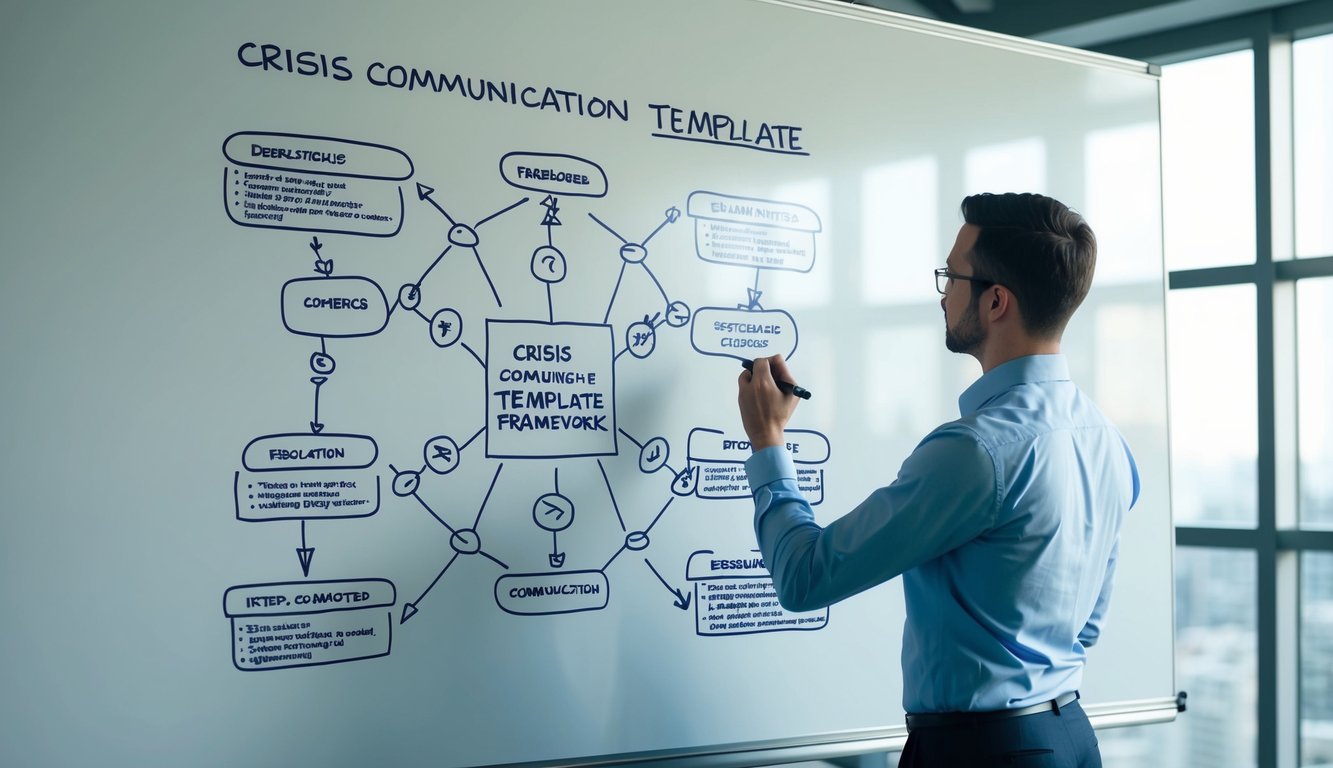
The success of crisis communication depends on careful planning and precise delivery. Clear protocols, ready-to-use templates, and strategic media engagement form the foundation of effective crisis response.
Internal and External Communication Protocols
Communication teams need specific roles and procedures during a crisis. Each team member must know their responsibilities and reporting lines.
A crisis response flowchart shows who contacts whom and when. This helps avoid confusion and delays.
Key steps include:
- Immediate notification of crisis team members
- Regular status updates to employees
- Coordination with department heads
- Documentation of all communications
Setting response time targets keeps everyone focused:
- Critical alerts: 15-30 minutes
- Employee updates: Every 2-4 hours
- Stakeholder briefings: Daily or as needed
Message Templates and Real-Time Response
Crisis communication templates speed up response times and maintain consistency. Keep pre-approved messages ready for common scenarios.
Essential template components:
- Incident description
- Actions being taken
- Safety instructions
- Contact information
- Next update timing
Teams should customize these templates in real-time with:
- Current situation details
- Specific impact areas
- Updated response measures
Media Relations and Public Messaging
Strategic communication helps maintain public trust during emergencies. Organizations must provide accurate, timely updates.
Designate trained spokespersons to handle media inquiries. They should be available 24/7 during active crises.
Media response checklist:
- Verify facts before releasing
- Use clear, simple language
- Address public concerns directly
- Provide regular updates
- Monitor media coverage
Social media requires quick responses. Post updates every 1-2 hours during active situations.
Post-Crisis Analysis and Trust Maintenance
A structured analysis after a crisis helps organizations learn from challenges and rebuild stronger relationships. Regular evaluation and transparent communication create lasting trust with stakeholders.
Evaluating Communication Effectiveness
Post-crisis evaluation templates help measure the impact and success of crisis responses. Organizations must track key metrics like response time, message clarity, and stakeholder feedback.
Create specific measurement criteria:
- Media coverage sentiment
- Social media engagement rates
- Stakeholder survey responses
- Speed of information distribution
- Message consistency across channels
Teams should document both successes and areas for improvement. This data guides future crisis planning and response strategies.
Maintaining Stakeholder Trust Post-Crisis
Effective recovery strategies focus on rebuilding confidence through consistent actions and clear communication. Regular updates keep stakeholders informed about improvements and changes.
Trust-building actions include:
- Candid acknowledgment of issues
- Compassionate responses to concerns
- Consistent follow-through on promises
- Regular progress reports
- Direct engagement with affected groups
Reputational Repair and Ongoing Strategies
Organizations must take active steps to repair and strengthen their reputation. This requires a mix of immediate actions and long-term commitments.
Communication teams should conduct structured debriefs to identify gaps and opportunities. These insights shape future preparation and response plans.
Key focus areas:
- Alignment between words and actions
- Proactive relationship building
- Regular stakeholder check-ins
- Updated crisis response protocols
- Enhanced monitoring systems
Frequently Asked Questions
Common crisis questions require clear answers about templates, strategies, rules, and customization options to help organizations stay prepared and responsive during emergencies.
How do I create an effective crisis communication plan template?
A crisis communication plan must stay short and focused, with the main body between 20-30 pages. The first pages need to outline key response procedures and contact information.
Keep the structure simple by separating core content from supporting materials like policies and resources into appendices.
Message mapping helps organize responses to frequently asked questions and key concerns. Include pre-written statements for common scenarios.
What are some examples of successful crisis communication strategies in recent events?
Many organizations have handled crises well by responding quickly with clear, factual information through multiple channels.
Companies that maintained transparency and provided regular updates through social media, press conferences, and direct customer communication saw better outcomes.
Regular testing and updates of crisis plans helped teams stay coordinated when real emergencies occurred.
Can you explain the principles of the 5 C’s and 5 R’s in crisis communication?
The 5 C’s focus on Care, Commitment, Consistency, Clarity and Control in all communications during a crisis.
The 5 R’s emphasize Readiness, Response, Reliability, Recovery and Review throughout the crisis management process.
These frameworks guide organizations in maintaining effective communication before, during, and after crisis events.
In what ways can I customize a free crisis communication plan template for my organization?
Basic templates can be adapted to match specific organizational risks, resources, and communication needs.
Adjust contact lists, roles, procedures, and response protocols to align with your company structure and industry requirements.
Templates should integrate with existing business continuity and disaster recovery plans.
What is involved in the 15/20-60-90 rule for crisis communication, and how can it be applied?
The rule guides response timing: initial statement within 15-20 minutes, detailed update within 60 minutes, and comprehensive briefing within 90 minutes.
This timeline ensures stakeholders receive timely information while allowing for fact-gathering and message coordination.
Where can I find comprehensive PDF guides on crisis communication templates and plans?
Professional organizations and government agencies offer detailed crisis communication guides and templates online.
You can shape template content and prepare responses with Journalists’ common crisis questions.
Industry associations provide specialized templates that address sector-specific crisis scenarios and requirements.