
Leading multicultural teams brings unique challenges that impact both performance and mental well-being.
Effective cross-cultural leadership strategies require a careful balance of cultural sensitivity, trust-building, and support for team members’ mental health.
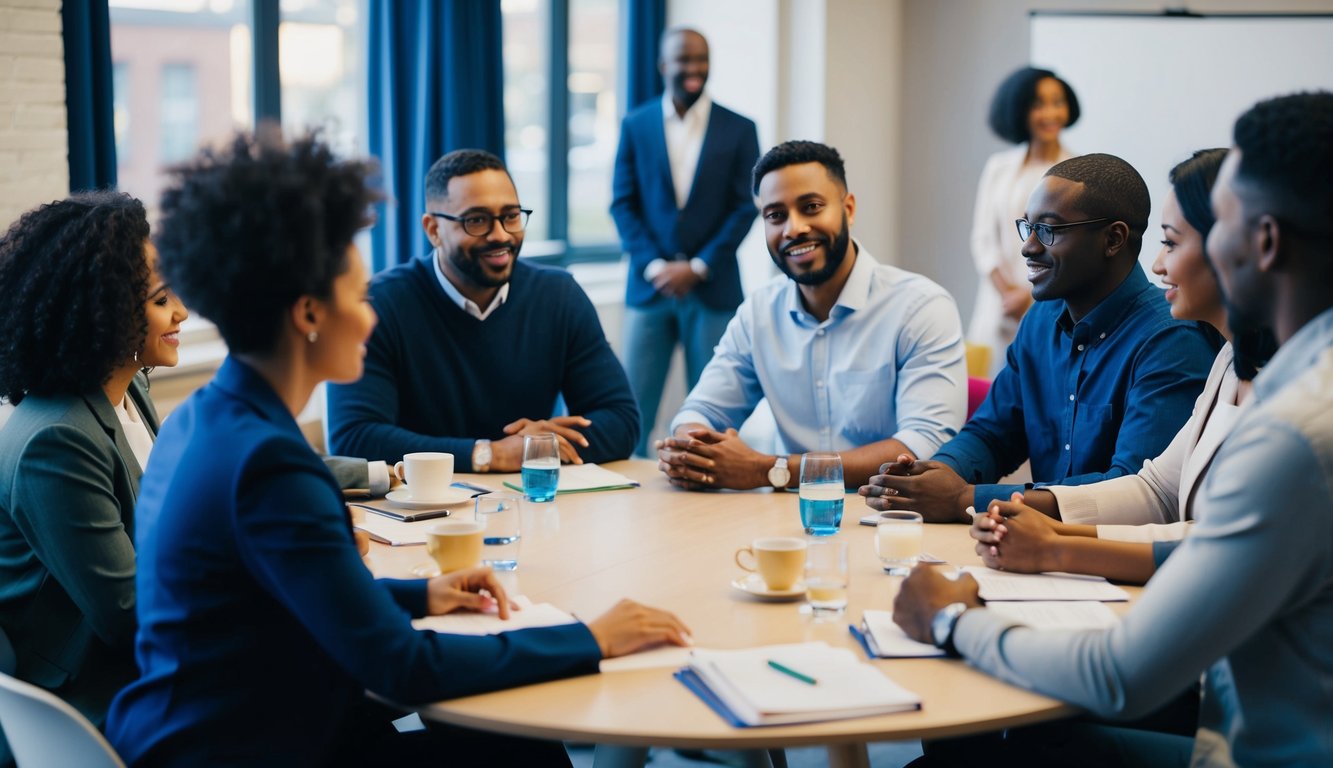
Mental health awareness in leadership creates stronger teams and better outcomes. When leaders prioritize mental well-being, they foster an environment where team members feel safe sharing concerns and seeking help.
Cultural awareness and inclusive solutions help teams thrive in today’s global workplace. Leaders who embrace diverse perspectives and create supportive environments see increased engagement, creativity, and team harmony.
Key Takeaways
- Leaders must develop cultural sensitivity and trust-building skills to manage diverse teams effectively
- Mental health support in multicultural teams strengthens workplace relationships and productivity
- Creating inclusive environments helps team members feel valued and understood
Understanding Multicultural Team Dynamics
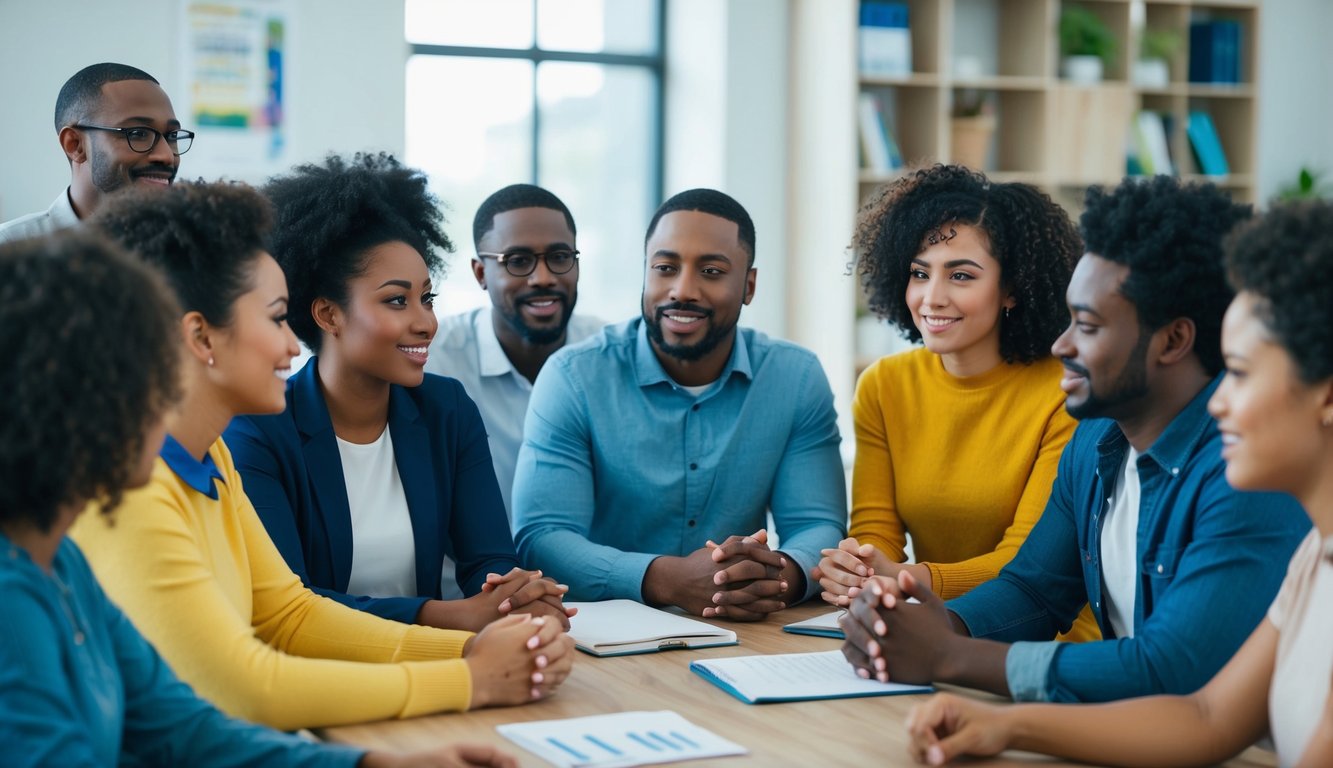
Cultural differences shape how teams work together and affect productivity, communication patterns, and problem-solving approaches.
Strong team dynamics emerge when leaders actively recognize and adapt to these cultural variations.
The Impact of Cultural Diversity on Team Performance
Team composition directly influences performance through varied perspectives and problem-solving methods. Different cultural backgrounds bring unique strengths to projects and tasks.
Diverse teams often display higher creativity and innovation when managed effectively. Teams with mixed cultural backgrounds tend to examine challenges from multiple angles.
The key benefits of cultural diversity include:
- Enhanced problem-solving capabilities
- Broader market insights
- Increased innovation potential
- Stronger global connectivity
Communication Styles and Non-Verbal Cues
Cultural awareness in communication plays a vital role in team success. Different cultures express ideas and feedback in distinct ways.
Some cultures prefer direct communication, while others rely on subtle, indirect messages. Non-verbal signals like eye contact, gestures, and personal space vary across cultures.
Common communication variations:
- Direct vs. indirect feedback
- Task-focused vs. relationship-focused interactions
- Formal vs. informal addressing styles
Overcoming Cultural Barriers and Misunderstandings
Building trust within diverse teams requires active steps to bridge cultural gaps. Clear protocols help prevent misunderstandings and conflicts.
Teams benefit from establishing shared communication guidelines. Regular check-ins ensure all members feel heard and valued.
Effective strategies include:
- Creating clear communication channels
- Setting explicit expectations
- Encouraging open dialogue about cultural differences
- Providing cross-cultural training opportunities
Cultural differences in decision-making styles need special attention. Some cultures prioritize group consensus, while others value quick, individual choices.
Creating an Inclusive Leadership Environment
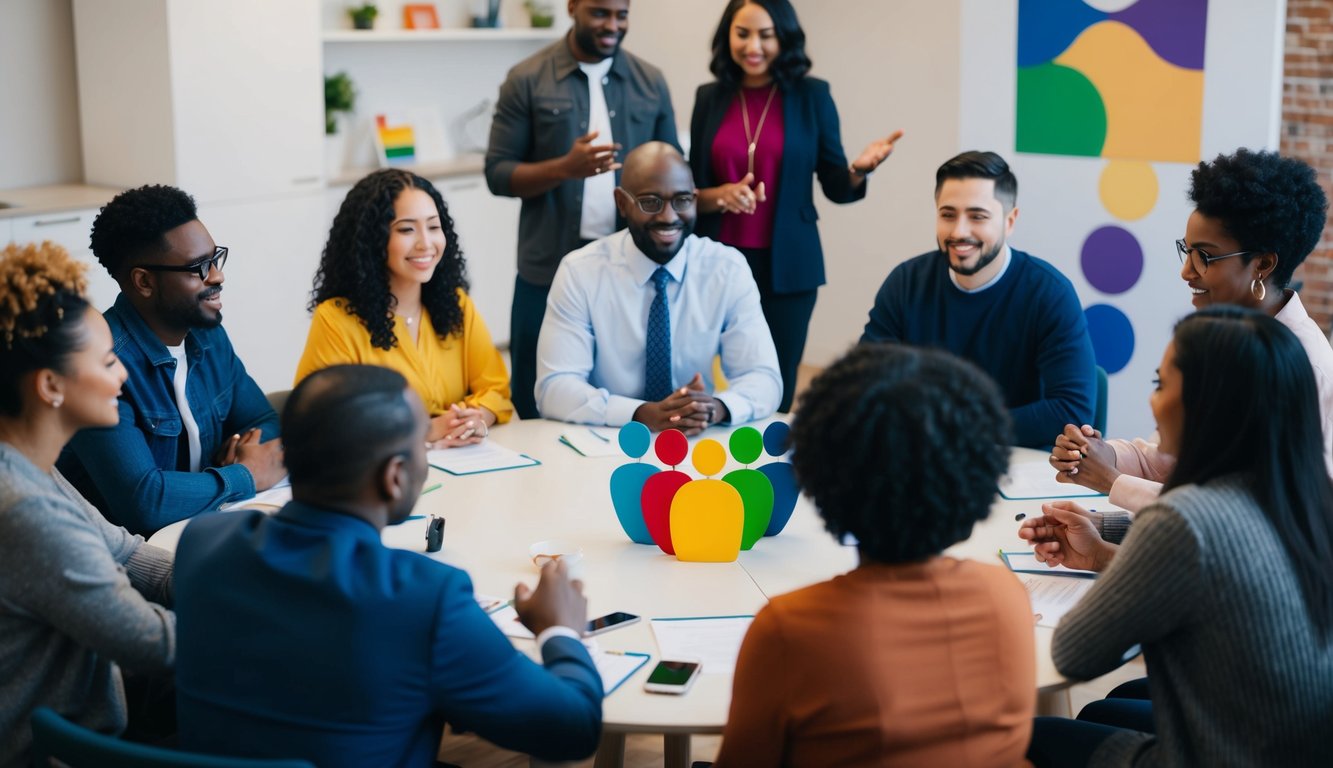
Leaders who create inclusive environments enhance team performance and mental well-being. Effective strategies include building cultural awareness, organizing team activities, and fostering open dialogue.
Developing Emotional and Cultural Intelligence
Effective inclusive leadership requires strong emotional and cultural intelligence skills. Leaders must recognize and respond to different communication styles and cultural norms.
Key emotional intelligence skills for leaders:
- Active listening without judgment
- Reading non-verbal cues
- Showing genuine empathy
- Managing personal biases
Cultural intelligence helps leaders navigate diverse teams. They learn to adapt their communication style and recognize cultural differences in:
- Work practices
- Decision-making preferences
- Conflict resolution approaches
- Social interactions
Inclusive Team-Building Activities and Celebrating Diversity
Creating a favorable work environment starts with meaningful team activities. Regular cultural exchange events allow team members to share traditions, foods, and customs.
Effective team-building ideas:
- Cultural potluck lunches
- Holiday celebrations from different cultures
- Cross-cultural mentoring pairs
- Diversity training workshops
Teams should mark important cultural celebrations and observances. This recognition helps members feel valued and understood.
Promoting Open Communication and Mutual Understanding
Building a culture of belonging requires clear communication channels. Leaders must create safe spaces for team members to express concerns and ideas.
Communication best practices:
- Regular one-on-one check-ins
- Anonymous feedback systems
- Team discussion forums
- Clear conflict resolution processes
Leaders should encourage diverse perspectives in meetings. They can rotate meeting facilitators and ensure every team member has speaking opportunities.
Strategies for Effective Leadership in Diverse Settings

Leaders who master cultural awareness and adaptable management approaches create stronger teams and achieve better results. Clear communication and trust-building serve as foundations for success in multicultural environments.
Adopting Different Leadership Styles for Diverse Teams
Effective multicultural leadership requires switching between different approaches based on team members’ cultural backgrounds and work styles.
Key Leadership Approaches:
- Democratic style for teams that value group input
- Directive style when clear guidance is needed
- Coaching style to build skills and confidence
- Participative style to encourage innovation
Leaders must adjust their communication methods for each team member. Some prefer direct feedback while others respond better to subtle suggestions.
Delegating tasks requires careful consideration of individual strengths and cultural norms. A leader might pair team members from different backgrounds on projects to encourage learning and collaboration.
Fostering Team Collaboration and Shared Goals
Building strong multicultural teams starts with establishing clear, common objectives that unite diverse perspectives.
Essential Team-Building Elements:
- Regular team meetings with structured participation
- Cross-cultural training workshops
- Shared project management tools
- Recognition systems that respect cultural differences
Team leaders should create opportunities for informal interaction. Virtual coffee breaks or cultural exchange sessions help build personal connections.
Setting measurable goals helps track progress and maintain focus. Teams work better when everyone understands their role in achieving shared success.
Dealing with Conflict and Building Resilience
Cultural intelligence plays a vital role in managing disagreements and strengthening team resilience.
Conflict Resolution Steps:
- Address issues promptly
- Listen to all perspectives
- Find culturally appropriate solutions
- Document agreements
- Follow up regularly
Leaders must recognize that conflict styles vary across cultures. Some team members might avoid direct confrontation, while others prefer addressing issues head-on.
Building resilience requires celebrating small wins and learning from setbacks. Teams grow stronger when they overcome challenges together and develop mutual understanding.
Prioritizing Mental Health and Well-Being in the Workplace
Mental health initiatives directly impact team productivity and job satisfaction. Companies that invest in employee wellness programs report 61% lower rates of mental health symptoms among their workforce.
Implementing Mental Health Days and Resources
Organizations should provide dedicated mental health days separate from regular sick leave. These allow employees to recharge without stigma or guilt.
Professional counseling services through Employee Assistance Programs (EAPs) give teams confidential access to mental health support. Companies can offer both in-person and virtual therapy options.
Digital wellness platforms help employees practice mindfulness and meditation. These tools work well for remote and hybrid teams.
Key mental health resources to provide:
- 24/7 crisis hotline access
- Stress management workshops
- Mental health first aid training
- Wellness apps subscriptions
- Self-care education materials
Cultivating a Supportive Community and Work-Life Balance
Leaders should model healthy behaviors by taking breaks, setting boundaries, and openly discussing mental health challenges.
Flexible scheduling and remote work options help employees manage personal obligations while maintaining productivity.
Team building activities foster connection and reduce isolation:
- Virtual coffee chats
- Peer support groups
- Wellness challenges
- Social events
Clear communication about workload expectations prevents burnout. Managers should help prioritize tasks and redistribute work when needed.
Regular Check-Ins for Employee Well-Being
Weekly one-on-one meetings between managers and team members create space for mental health discussions.
Questions to include in check-ins:
- Energy levels and stress indicators
- Current challenges or barriers
- Resource needs
- Work-life balance status
- Professional development goals
Anonymous pulse surveys help track team morale and identify areas needing attention. Leaders should take quick action on feedback to show commitment to employee well-being.
Mental health awareness training helps managers recognize warning signs and provide appropriate support.
Frequently Asked Questions
Mental health leadership in diverse teams requires clear strategies, ongoing support systems, and culturally sensitive approaches. Teams benefit from open communication channels and dedicated resources that respect different cultural perspectives on mental wellness.
What strategies can leaders employ to support mental health awareness in culturally diverse teams?
Leaders can create dedicated support systems that respect various cultural approaches to mental health. This includes flexible work arrangements and confidential counseling options.
Regular check-ins with team members help identify early signs of stress or burnout while respecting cultural boundaries.
Training managers in cultural sensitivity ensures they can properly address mental health concerns across different cultural contexts.
What are some effective examples of mental health initiatives in multicultural workplace environments?
Employee resource groups focused on mental wellness provide safe spaces for team members to share experiences.
Multilingual mental health resources and educational materials make support accessible to all team members.
Cultural celebration days combined with wellness activities help integrate mental health awareness into diverse workplace traditions.
How can an organization’s leadership facilitate positive mental health dialogue among team members from various cultural backgrounds?
Building cultural awareness starts with creating safe discussion spaces where team members feel comfortable sharing their perspectives on mental health.
Leaders should encourage peer support networks while respecting cultural boundaries around mental health discussions.
Professional facilitators can help guide cross-cultural conversations about mental wellness in respectful ways.
In what ways can leaders address the challenges of integrating mental health support in a multicultural team setting?
Cultural competence training helps leaders recognize and respond to different cultural expressions of mental health needs.
Flexible support options allow team members to access help in ways that align with their cultural values.
Anonymous feedback systems enable teams to voice concerns about mental health support without fear of stigma.
What role does cultural competency play in enhancing mental health awareness within a team?
Cultural awareness enables leaders to recognize how different cultures view and express mental health challenges.
Teams with strong cultural competency create more inclusive support systems that serve diverse needs effectively.
Cultural training helps prevent misunderstandings. It also ensures mental health resources reach all team members.
How can leadership evaluate and continuously improve mental health strategies in a multicultural workplace?
Regular anonymous surveys gather feedback about mental health initiatives. This also helps protect privacy.
Tracking program participation rates across different cultural groups helps identify gaps in support services.
Focus groups with diverse representation provide insights for improving mental health resources.