
What happens when a key leader suddenly leaves your virtual team? Organizations that fail to plan for leadership transitions risk disrupting their operations and losing valuable knowledge.
Succession planning tools help companies identify and prepare future leaders, ensuring business continuity.
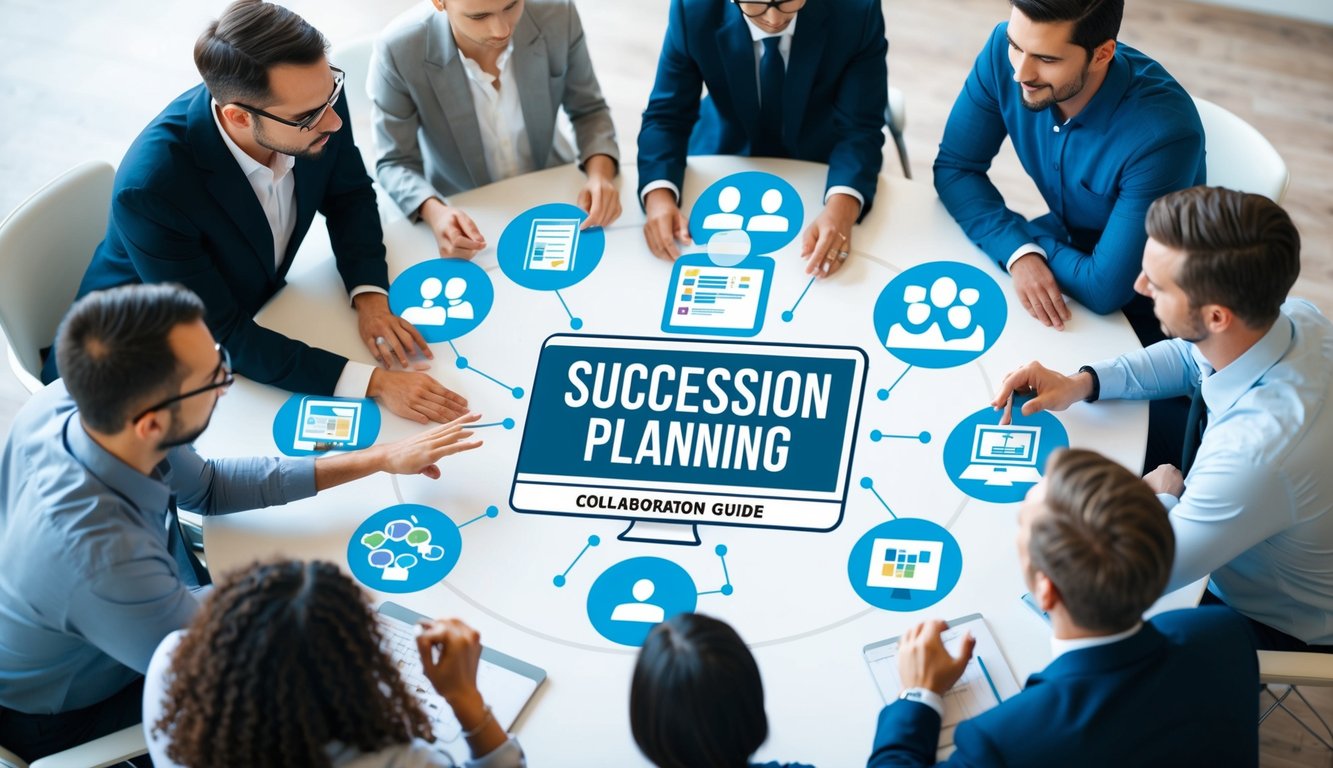
A strong succession plan reduces risks, preserves institutional knowledge, and increases employee engagement by creating clear paths for advancement in virtual teams. Modern succession planning software uses AI and predictive analytics to identify high-potential employees and forecast skills gaps before they become problems.
Virtual teams need specialized approaches to succession planning. Digital assessment tools help managers evaluate remote talent, track development progress, and create targeted training programs that prepare the next generation of leaders.
Key Takeaways
- Virtual succession planning requires specialized digital tools and assessments to identify future leaders
- AI-powered software helps predict skill gaps and track leadership development progress
- Clear advancement paths boost employee retention and preserve critical business knowledge
Understanding Succession Planning

Succession planning builds a strong talent pipeline to fill critical positions as needed. It makes sure organizations keep running smoothly when key people leave.
Defining Key Roles and Positions
Critical roles are positions that directly impact business success and operations. These include C-suite executives, department heads, and specialized technical experts.
Key positions require specific skills, experience, and knowledge that make them hard to replace quickly. Smart companies map out these essential roles early.
Important factors when identifying key positions:
- Direct impact on revenue or operations
- Specialized expertise required
- Time needed to train replacements
- Risk level if position becomes vacant
The Importance of Leadership Roles in Succession Planning
Leadership positions need extra attention in succession plans because they guide company strategy and culture. Good leaders take time to develop.
The 9-Box Grid helps evaluate potential leaders based on performance and potential. This tool identifies who might step into key roles.
Organizations must prepare multiple candidates for each leadership position. This creates backup options and healthy competition.
Key leadership succession strategies:
- Mentoring programs
- Leadership development training
- Job rotation opportunities
- Regular skill assessments
Strategies for Developing Future Leaders

Building a strong leadership pipeline requires targeted strategies that focus on identifying talent early and creating clear paths for growth. Companies need structured approaches to prepare the next generation of leaders.
Identifying and Nurturing Potential Leaders
High potential employees need early identification through objective assessment methods. Look for traits like problem-solving ability, emotional intelligence, and strategic thinking skills.
Use these tools to spot future leaders:
- 360-degree feedback assessments
- Leadership competency evaluations
- Performance metrics tracking
- Behavioral interviews
Create talent pools by department and leadership level. This helps organize development efforts and ensures coverage across critical roles.
Set up mentorship programs that pair promising employees with experienced leaders. These relationships provide guidance and real-world learning opportunities.
Creating Effective Development Plans
Each potential leader needs a customized development plan. The plan should map out specific skills, experiences, and training needed for future roles.
Key elements of strong development plans:
- Clear goals tied to business objectives
- Timeline for skill acquisition
- Learning activities (rotational assignments, projects)
- Progress measures and milestones
Focus on upskilling opportunities through:
- Leadership workshops
- Cross-functional projects
- External training programs
- Stretch assignments
Leadership Development and Continuous Improvement
Track progress using leadership competency frameworks. Regular check-ins help adjust development activities based on performance and changing business needs.
Implement these improvement tools:
- Quarterly progress reviews
- Skills assessment updates
- Project-based learning evaluations
- Feedback from mentors and managers
Create opportunities for practical experience through temporary role assignments and special projects. This hands-on learning builds confidence and tests readiness for bigger roles.
Measure success through promotion rates, retention of high potentials, and leadership role readiness scores.
Implementing Succession Planning Tools and Software

Modern succession planning requires robust digital tools to identify, develop, and track potential leaders effectively. Smart implementation of the right software solutions helps organizations create data-driven succession strategies while reducing manual work.
Evaluating the Best Succession Planning Tools
Leading succession planning platforms like SAP SuccessFactors and Cornerstone OnDemand offer comprehensive features for talent assessment and development tracking. These tools provide customizable performance reviews and competency mapping capabilities.
The most effective platforms include predictive analytics to forecast leadership potential and identify skills gaps. Tools like PeopleFluent and ChartHop excel at data visualization, making it easier to spot succession readiness across the organization.
Key features to evaluate:
- Automated talent pool tracking
- Skills assessment capabilities
- Performance metric dashboards
- Integration with existing HR systems
- Custom reporting options
Integrating Technology in Succession Strategies
Modern succession software connects seamlessly with learning management systems and performance tracking tools. This integration creates a complete ecosystem for developing future leaders.
Organizations should focus on tools that enable:
- Real-time progress monitoring
- Automated skill gap analysis
- Development plan creation
- Competency model building
- Talent mobility tracking
Digital succession tools have improved accuracy in identifying potential leaders by 20%. Platforms like PageUp and Lattice help standardize evaluation processes through structured assessment tools.
Smart analytics features help measure candidate readiness against established benchmarks and track development progress over time.
Promoting a Culture of Leadership and Retention
Creating strong leadership foundations requires active engagement in employee development and careful succession planning. Building a sustainable talent pipeline helps organizations maintain stability and growth while reducing costs.
Fostering Employee Engagement and Development
Leadership development programs need clear paths for growth and skill-building opportunities. Regular mentoring sessions and job rotation help employees gain diverse experience across business functions.
Organizations must track employee progress through structured development plans. Tools like Dayforce and PageUp make it easier to monitor learning goals and achievements.
Regular feedback sessions and recognition programs boost job satisfaction. When staff feel valued, they stay longer and invest more in their roles.
Knowledge transfer becomes natural when teams work closely together. Experienced staff can guide newer employees through key processes and share important insights.
Benefits of Proactive Succession Planning
Strategic succession planning reduces the impact of unexpected departures. Companies save 50-75% on training costs when promoting internal candidates versus hiring externally.
A strong succession pipeline creates:
- Better leadership continuity
- Increased organizational resilience
- Lower recruitment expenses
- Improved team morale
Companies must identify potential talent gaps early. Regular skills assessments help match employees to future leadership roles.
Cross-training between departments builds deeper organizational knowledge. This creates a flexible workforce ready to step into new positions when needed.
Frequently Asked Questions
Remote teams require specialized tools, templates, and strategies to create effective succession plans that identify and prepare future leaders while maintaining business continuity across virtual environments.
What are the essential tools for effective virtual team succession planning?
Dynamic organizational charting tools help map current and future roles in virtual teams. These tools create visual representations of reporting structures and career paths.
Digital skills assessment platforms track employee competencies and identify gaps in virtual team capabilities.
Virtual talent pool databases store and organize information about potential successors, their readiness levels, and development needs.
Can you list templates that aid in succession planning for remote teams?
Role requirement templates outline essential skills, responsibilities, and qualifications for key virtual positions.
Successor evaluation forms track potential candidates’ progress and readiness for future roles.
Development action plan templates help create structured learning paths for virtual team members.
Where can I find a comprehensive succession planning framework in PDF format?
The 9-box grid assessment framework helps evaluate remote employees based on performance and potential.
Digital competency frameworks outline required skills and behaviors for virtual leadership roles.
Career pathway maps illustrate possible advancement routes in remote organizations.
What is the best software available for managing succession planning in virtual teams?
Cornerstone OnDemand provides cloud-based succession planning features specifically designed for remote teams.
Talent management platforms integrate succession planning with learning and development tools.
Performance tracking software helps identify high-potential employees in virtual environments.
What are the typical stages involved in the succession planning process?
Key role identification starts the process by determining critical positions that need succession plans.
Skills gap analysis identifies areas where potential successors need development.
Regular talent reviews assess candidate readiness and update development plans.
Could you provide examples of succession planning strategies in virtual environments?
Remote mentoring programs pair high-potential employees with experienced leaders for virtual guidance.
Cross-functional virtual projects give potential successors practical leadership experience.
Digital leadership rotations allow candidates to lead different remote teams temporarily.